Happy New Year from EcoLit Books
Happy new year, readers and writers! We are looking forward to a new year of eco-literature and already have a great lineup of new reviews coming soon. For all of …

Happy new year, readers and writers! We are looking forward to a new year of eco-literature and already have a great lineup of new reviews coming soon. For all of …

Stung! On Jellyfish Blooms and the Future of the Ocean, by Lisa-an Gershwin (The University of Chicago Press, 2013) They’re here, and we’ve not just cleared out the guest …
Let’s start with a friendly reviewer disclaimer. I usually read fiction because I enjoy stories about uncompromising people who do extraordinary things. Memoir, biography, and autobiography don’t typically interest me …
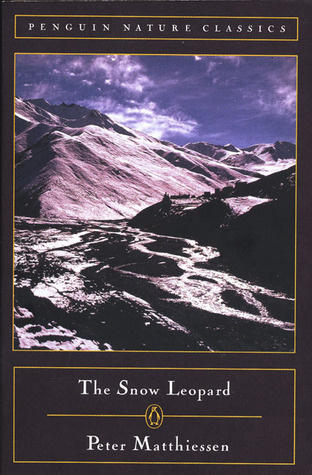
The Snow Leopard (1978), a beautiful true account of a wildlife research trek into the Himalayas, reads like a novel. It’s rich with sensory detail — capturing the sights, tastes, …
Firstly, in March, you can take a free online course on Practical Ethics taught by Peter Singer author, ethicist and professor of bioethics at Princeton University — how fantastic! — …

Anthropologist Tara Waters Lumpkin is founder and executive director of a nonprofit project and e-zine called Voices for Biodiversity. Our goal is to provide a multimedia platform where citizen eco-reporters can …
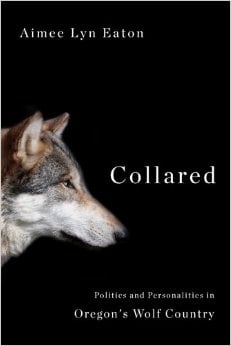
Wolves–will they ever cease to create controversy and incite emotion? After all, they are just another four-legged, fur-covered predator–powerful, but certainly not the “beast of waste and desolation,” that Teddy …

Alan Weisman’s Countdown: Our Last, Best Hope for a Future on Earth? follows his fascinating book The World Without Us, this time asking the question: What will become of the …
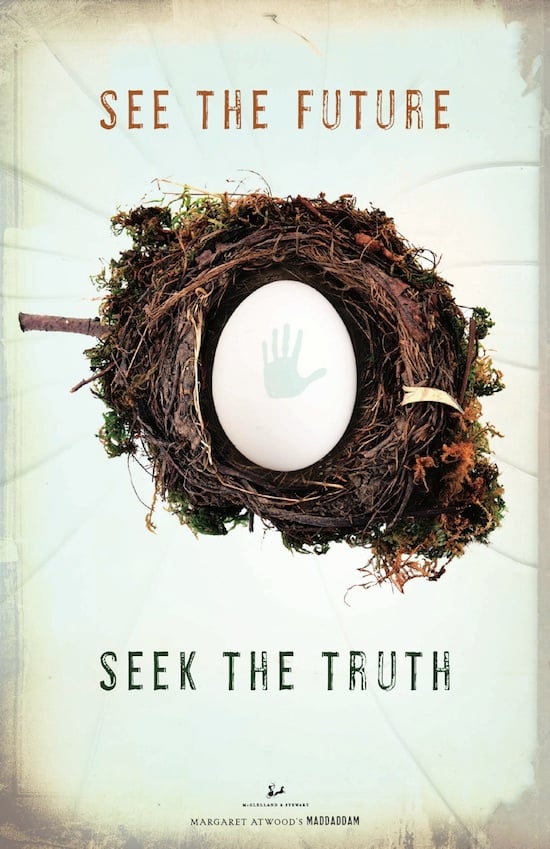
How do you feel about lab grown meat? Glowing, green bunnies? Is our future weird, repulsive, curious, frightening and delightful? Margaret Atwood’s MaddAddam Trilogy — Oryx and Crake (2003), The …
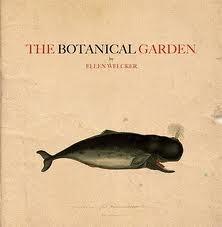
You could read Melville’s Moby Dick. You could travel the world. You could read about the plight of immigrants and refugees in The New York Times and discuss them over …

In a quiet part of town where the houses stand close and evening stretches long the shade of the garden hose and the baby falls asleep clutching her teddy bear’s …