
I’m happy to share six new books that have come our way over the past few weeks…
(un)Familiar: Stories
By Sid Sibo
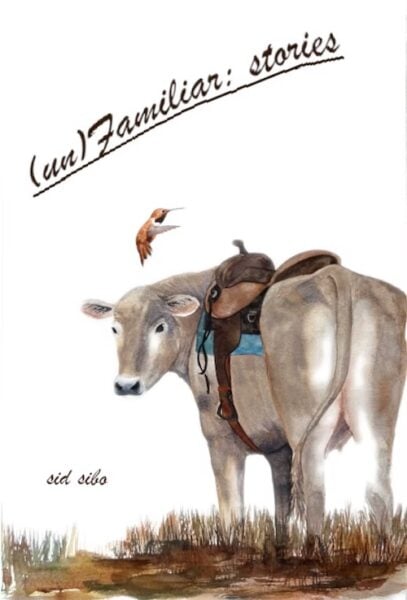
In (un)Familiar: stories, sid sibo’s collection ranges across Wyoming wilderness to urban Dusseldorf, northern Minnesota’s frozen lake country to southern Arizona’s drought-stricken desert, and to Ireland’s stormy west coast. What each piece brings to readers is a keen awareness of and sensitivity toward the other-than-human creatures sharing the planet. Climate chaos certainly plays its part in challenging the human characters of these various landscapes, and yet humans bring their own challenges to every situation.
From confronting authorities about invasive parakeets to protecting mega-mansions against burning mountain forests, other-than-human animals return here to their ancient roles as wisdom keepers. Biologists and immigrant farmers, a retired Air Force pilot or physician, a beer-garden server or a mountain lion hunter, a logger and a math teacher: readers will meet people of many identities and walks of life. Seldom do they, or we, living in our crowded human worlds, reflect on other animals carrying their lives and their stories forward. Seldom do these characters, or we, connect animal agency to the actions we take, or to the thriving future we all desire. Throughout dramatic or humorous moments of human yearning, animals as common as crows and cows or as little known as pikas and glass eels appear in perfectly reasonable ways. For those open to more mystical experiences, however, other interpretations can also be found.
Marie’s Tree: Implosions and Injustice in San Francisco
By Tom Molanphy
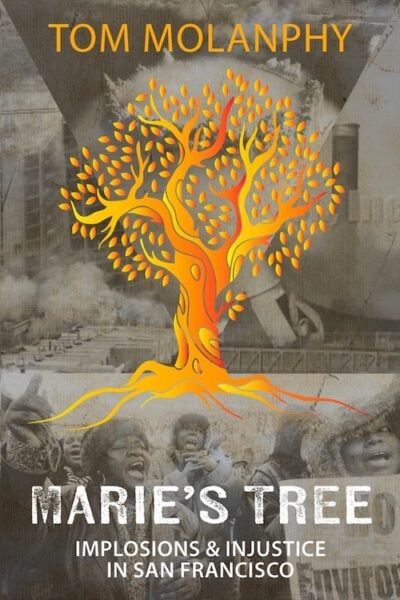
Marie Harrison (1948-2019), an environmental activist of San Francisco’s Bayview Hunters Point, spent her life fighting for basic services such as housing, energy, and employment that had become money makers for a few but a dream deferred for her community. What she endured – the brown water that ran out of her taps at Geneva Towers; the blood that ran from her grandson’s nose while living next door to the PG&E smokestacks; and the fear of radiation poisoning from one of the country’s worst superfund cleanup sites – are environmental injustices citizens of the United States suffer every day.
Mystery in the Southern Ocean
By Darren Rumbold
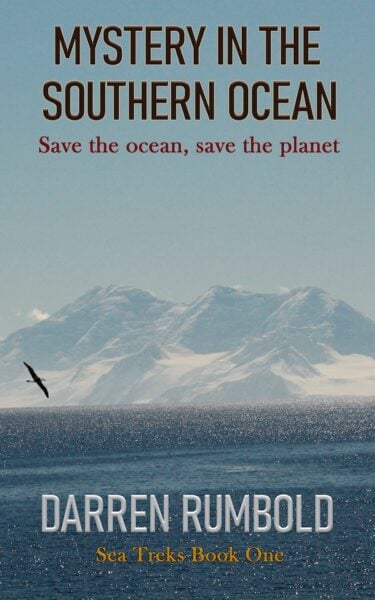
In this eco-mystery series we follow Archibald, ‘Archie’, Quincy Hill, Ph.D., an idealistic and dedicated forensic marine scientist working for the United Nations Environment Program. His job is to determine the cause of local environmental problems before they become global disasters. While he strives to maintain scientific objectivity, he is driven by his lifelong love of the sea, a gift from his mother.
In this book, Archie heads to Antarctica to uncover the cause of a mass die-off of seabirds, seals and whales in the Southern Ocean. To solve this mystery, he must travel around the world collecting evidence and evading the powerful forces that will stop at nothing to prevent him from finishing his work. What he learns during his trek is far worse than he imagined.
Toxic Tropics: A Horror Story of Environmental Injustice
By Jessica Oublié with art by Nicola Gobbi
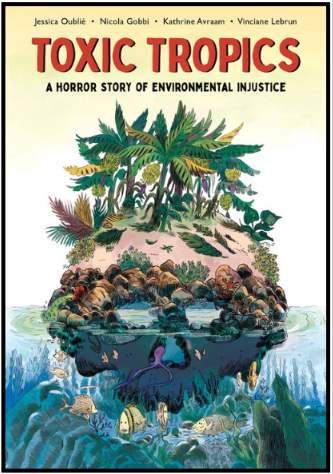
An in-depth piece of comics journalism exploring the persistent use of the deadly chemical Chlordecone to support the banana crops in Martinique and Guadeloupe.
In 1975, pesticide producer LifeSciences closed their plant that produced the chemical chlordecone, after numerous employees had toxic chemical poisoning, and the local river had been polluted. But in the French Antilles, farmers continued to use the pesticide. Even after it was banned in 1993, planters continued to illegally import and use it. Chlordecone use became so widespread that it was in almost everything people on the islands ate and drank.
Today, 95% of the inhabitants of Guadeloupe and 92% of the inhabitants of Martinique are contaminated by the chemical, and the islands have one of the highest cancer rates in the world.
In this richly illustrated work, the author brings her personal experience and connection to the story as she interviews scores of local people as well as scientists and government officials to uncover the true story behind the decision to continue poisoning the water and the soil for the sake of global commerce. We, as global citizens, are urged to consider the decisions we are making through our consumer choices and how they affect the health of the planet and the survival of communities throughout the world.
Exploring Wilderness: From Heart-Racing Adventure to Tranquility
By John Rust
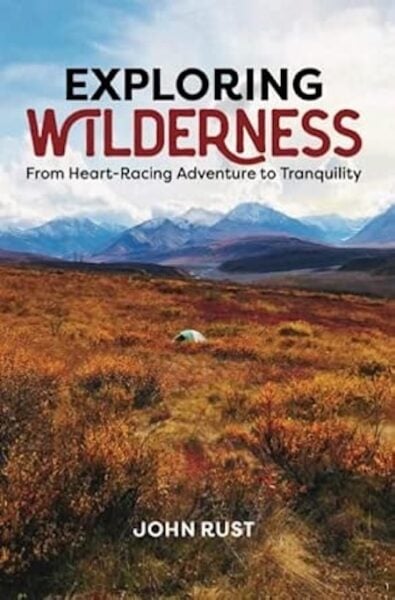
Exploring Wilderness: From Heart-Racing Adventure to Tranquility is a collection of true wilderness stories and nature essays drawn from decades of travel through remote landscapes in Alaska, Yellowstone, Minnesota’s Boundary Waters, Canada, the American Southwest, and India.
Through encounters with grizzly and brown bears, wolves, tigers, and other wildlife, the book explores what happens when humans leave behind the protections of civilization and once again experience themselves as participants in the natural world. The stories range from moments of danger and vulnerability—including encounters with large predators and survival situations in remote wilderness—to experiences of solitude, tranquility, and wonder.
Underlying the adventures is a recurring interest in ecology, natural history, predators and prey, conservation, and humanity’s relationship with wild places. The book considers why wilderness and functioning ecosystems matter, and what we may learn about ourselves when we experience nature on its own terms.
The Carework Project: Reckoning with Love, Labor, and the Living World
By Jennifer Case
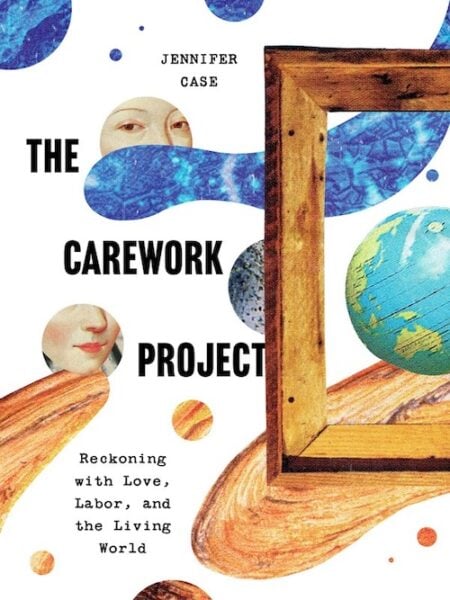
“Care work is climate work.” Jennifer Case first encountered this message during the pandemic, while monitoring her daughter’s attempts at virtual learning and trying to keep her toddler from running naked into faculty Zoom meetings. The phrase offered an unexpected validation: caring for others—whether children, the ill, or the earth—is vital work. Intrigued, Case began exploring the connections between personal, domestic, and ecological care. What started as research through the lenses of feminism and economics grew into a larger investigation that touched on environmental thought, Indigenous teachings, and the psychology of empathy. Along the way, Case developed a broader spiritual and ecological awareness that changed how she viewed the act of caring itself.
Part memoir and part cultural reflection, The Carework Project combines intimate storytelling with research, interviews, and visual art to explore what care means in a time of climate crisis. Case shows how caregiving, often invisible, gendered, or undervalued, is central to our survival. She examines how trauma and burnout affect our ability to connect, and how healing can start with the smallest gestures of attention. The book invites readers to envision a world where care is not a burden but a source of mutual renewal and belonging.

John is an award-winning author of stories, novels and plays. He is author of THE STANDING DEAD, coming in 2027. He is also author of the novels The Tourist Trail and Where Oceans Hide Their Dead and co-author of the mystery Devils Island. He is editor of Writing for Animals (also now a writing program). More at JohnYunker.com.